
Essential Croatian Restaurant Vocabulary: How To Order Food In A Konoba

Author
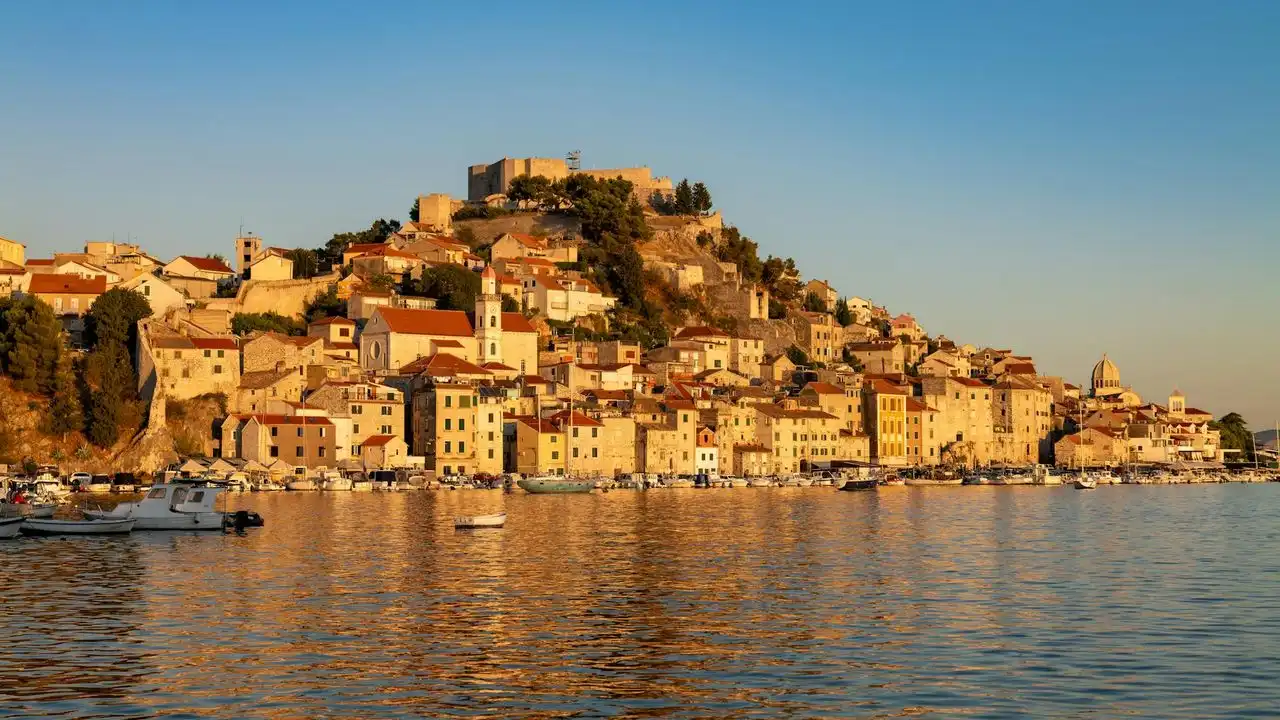
Eating at a traditional Croatian restaurant is one of the best parts of visiting the country.
Knowing a few basic Croatian phrases will make your dining experience much smoother.
Locals always appreciate it when you make the effort to order your meal in their native language.
This guide covers the exact vocabulary and phrases you need to confidently order food and drinks in Croatia.
I’ll also explain what a konoba is and how it differs from a standard restaurant.
Table of Contents:
What is a konoba?
A konoba is a traditional tavern found mostly along the Croatian coast in regions like Dalmatia and Istria.
These establishments typically serve rustic, home-cooked local dishes.
You’ll usually find plenty of fresh seafood, grilled meats, and local wines on the menu.
Inland regions of Croatia use the word restoran (restaurant) or gostionica (inn or tavern) instead.
The vocabulary in this guide works perfectly in all of these dining establishments.
Arriving at the restaurant
When you walk into a Croatian restaurant, the first thing you need to do is ask for a table.
It’s very common for the waiter (konobar) to greet you at the door.
You simply need to state how many people are in your group.
| English | Croatian |
|---|---|
| Table for two | Stol za dvoje |
| Table for three | Stol za troje |
| Table for four | Stol za četvero |
| Do you have a free table? | Imate li slobodan stol? |
Dobra večer. Imate li slobodan stol za dvoje?
Da, ovuda molim.
Reading the menu
The waiter will hand you the menu, which is called a jelovnik in Croatian.
The drinks menu is usually separate and is called a karta pića.
Croatian menus are divided into logical sections based on the course.
Here are the main categories you’ll see on a standard Croatian menu.
| English | Croatian |
|---|---|
| Appetizers | Predjela |
| Soups | Juhe |
| Main courses | Glavna jela |
| Side dishes | Prilozi |
| Salads | Salate |
| Desserts | Deserti |
Ordering food and drinks
When the waiter returns, you can place your order using a few simple polite phrases.
The most common way to order is by saying “I would like” followed by the item.
Men say želio bih, while women say željela bih.
Alternatively, you can just say molim vas (please) after stating the name of the dish.
This is a perfectly polite and natural way to order in Croatia.
| English | Croatian |
|---|---|
| I would like… (male speaker) | Želio bih… |
| I would like… (female speaker) | Željela bih… |
| Can I get… | Mogu li dobiti… |
| A glass of red wine | Čašu crnog vina |
| A glass of white wine | Čašu bijelog vina |
| A bottle of water | Bocu vode |
| Beer | Pivo |
Što želite popiti?
Željela bih čašu crnog vina, molim vas.
Notice that Croatians refer to red wine as crno vino, which literally translates to “black wine”.
You should also specify if you want your water with gas (gazirana) or without gas (negazirana).
Asking for the bill
You’ll usually need to actively ask the waiter for your bill when you’re finished eating.
The Croatian word for the bill or check is račun.
You can catch the waiter’s attention by raising your hand slightly and saying oprostite (excuse me).
Oprostite, mogu li dobiti račun molim vas?
Plaćate li gotovinom ili karticom?
Tipping is customary in Croatia if you enjoyed the service.
Most locals leave a tip of around ten percent of the total bill.
The standard Croatian word for tip is napojnica.
If you’re dining in a coastal konoba in Dalmatia, you’ll often hear locals use the regional word manča instead.
