
Understanding Fijaka And Pomalo In Croatian

Author
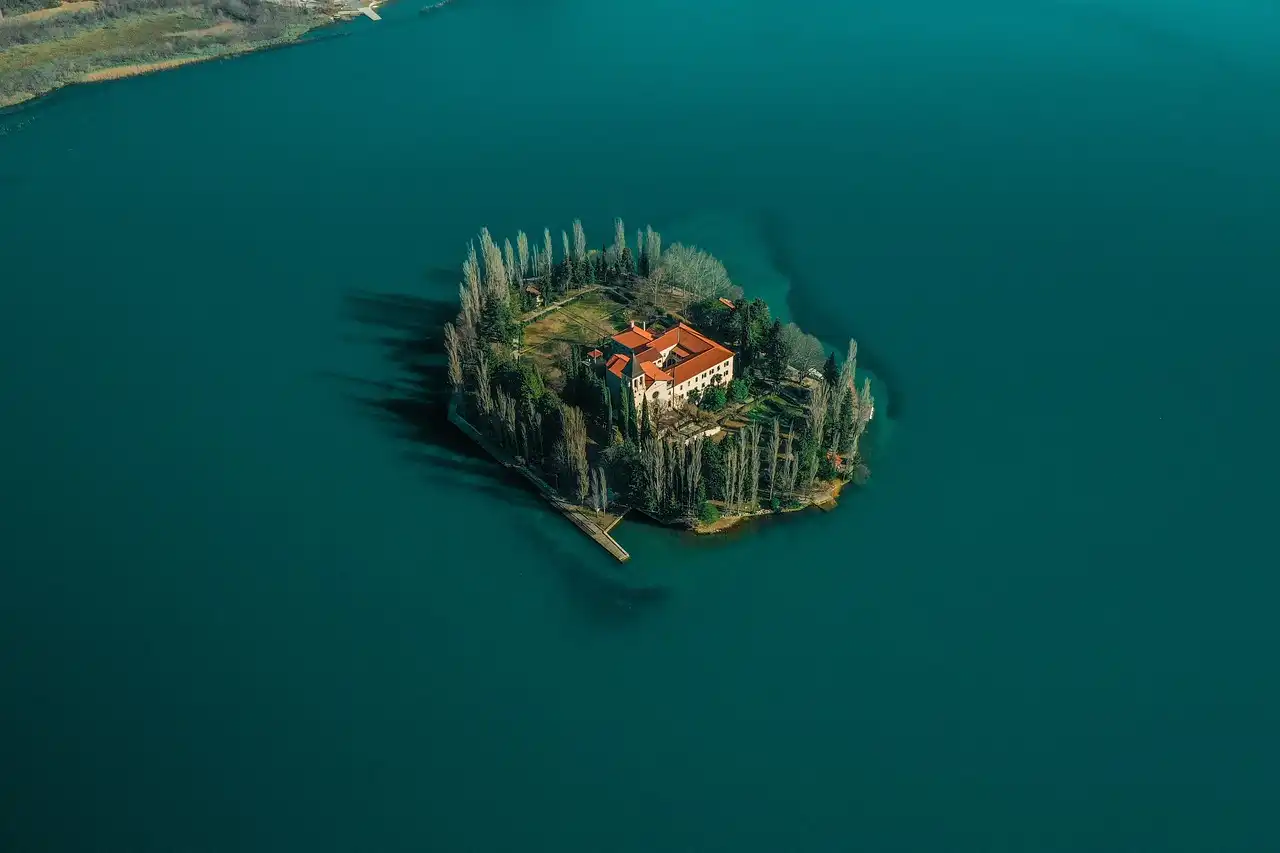
When you learn a new language, you quickly realize that not every word has a direct English translation.
As I always tell my students, understanding a country’s culture is just as important as studying its grammar.
To truly speak Croatian like a local, you need to understand how the locals think and live.
Two of the most famous untranslatable words in Croatian are fijaka (often spelled fjaka) and pomalo.
Both of these words are deeply tied to the Croatian coast and represent an entire way of life. If you plan on visiting the beautiful beaches of Croatia, you absolutely need to know them.
Keep reading, and I’ll explain exactly what these two concepts mean and how to use them.
Table of Contents:
What is fijaka?
Fijaka (or fjaka in the local coastal dialect) is a physical and mental state where you have absolutely no desire to do anything.
If you try to translate it, you might think it just means “laziness.” But in Croatia, fijaka is not a bad thing! It is completely different from being lazy.
Instead, it is viewed as a natural response to the environment. It is a slow, dreamy state of mind that usually happens during the extremely hot summer afternoons on the coast. Locals will tell you that you cannot force fijaka - it simply “catches” you.
When the fijaka hits, your mind wanders, your body feels heavy, and the only sensible thing to do is sit in the shade, stare at the sea, and rest.
Here is how you might hear people use it in everyday conversation:
Ne mogu danas raditi, uhvatila me fijaka.
Odmaram se, puca me teška fijaka.
What does pomalo mean?
The word pomalo is the ultimate life philosophy of the Croatian coast.
Literally translated, pomalo means “a little bit” or “slowly.” However, its cultural meaning is much deeper. It translates closer to “take it easy,” “relax,” or “there is no rush.”
When someone tells you pomalo, they are reminding you not to stress out. If you are running late, or if you are working too hard, a local might gently say “pomalo” to tell you to slow down and enjoy the moment.
It is also commonly used as a friendly greeting or response. If someone asks how you are doing, replying with pomalo lets them know you are relaxed and taking life step by step.
Here are a few ways to use it:
Kako si?
Pomalo.
Ne žuri, samo pomalo.
Sve će biti u redu, pomalo.
The regional connection: Dalmatia
You won’t hear these concepts used the same way everywhere in Croatia.
Croatia has distinct regional variations. In the capital city of Zagreb or the northern inland regions, life moves at a faster, more European pace. People are busy and focused on their daily tasks.
But in Dalmatia - the southern coastal region of Croatia that includes cities like Split, Zadar, and Dubrovnik - life revolves around the sea and the sun.
In Dalmatia, fijaka and pomalo are celebrated. The hot Mediterranean climate literally forces people to slow down. If you visit a café in Split, you will see people sitting for hours, sipping a single cup of coffee. They aren’t wasting time; they are just living the pomalo lifestyle!
Learning these untranslatable words will help you connect with Croatians on a much deeper level.
Instead of just memorizing vocabulary, try to adopt the mindset! The next time you feel stressed out by your language studies, remember to take it pomalo.
Here is a quick summary table of what we covered today:
| Croatian word | Literal translation | Cultural meaning |
|---|---|---|
| Fijaka (Fjaka) | None | A dreamy, lethargic state of mind where you do absolutely nothing. |
| Pomalo | A little / slowly | Take it easy, slow down, relax, there is no rush. |
To follow on from this, see my other related guides:
- How to order coffee in Croatia
- Common Croatian greetings
- Croatian regional dialects explained
